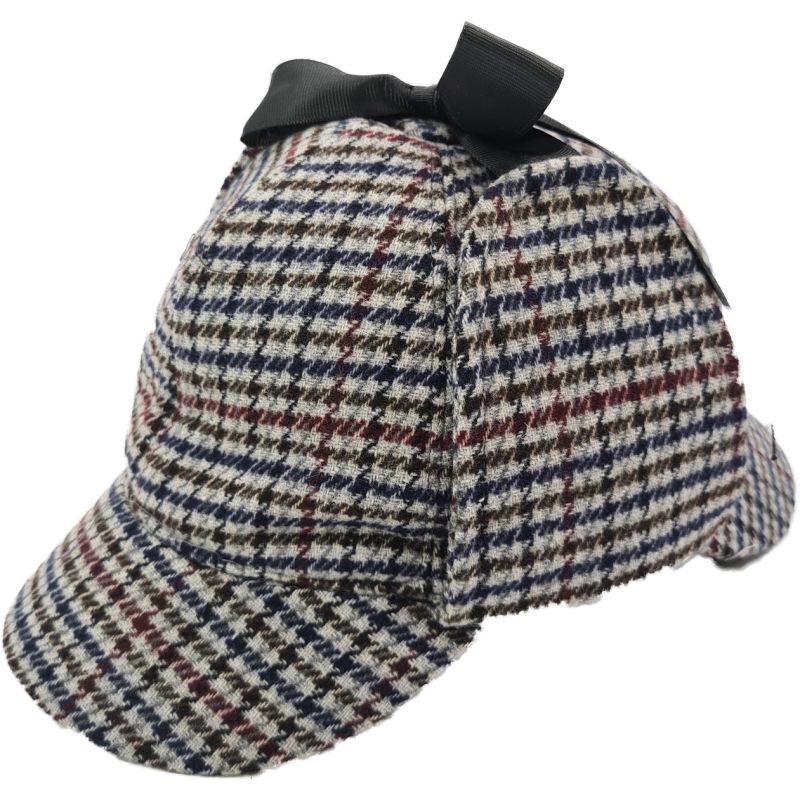
Deerstalker Hat: From Sherlock Holmes to Mod Revival Style
Few hats command attention quite like the Deerstalker. Instantly recognizable, perpetually iconic, and brimming with a unique blend of heritage and eccentricity, this distinctive piece of headwear has journeyed from the misty moors of Victorian Britain to the bustling streets of modern fashion subcultures. While often synonymous with the legendary detective Sherlock Holmes, the Deerstalker cap has proven itself to be far more versatile than a mere prop for literary sleuths. It's a statement piece, a "bash hat" that tells a story, and one that requires a certain flair to truly pull off.
Join us as we unravel the captivating history and unexpected fashion evolution of the Deerstalker hat, exploring its design, its cultural significance, and its surprising re-emergence in the wardrobes of those bold enough to embrace its unique charm.
What Exactly is a Deerstalker? Unpacking its Unique Design
Before delving into its storied past, let's understand the distinct features that define a Deerstalker. According to Merriam-Webster, it's "a close-fitting hat with a visor at the front and the back and with earflaps that may be worn up or down." This concise definition highlights the key elements that give the hat its unmistakable silhouette and practical functionality.
- Dual Visors: Unlike most hats with a single brim, the Deerstalker boasts two stiff peaks – one at the front and one at the back. Originally, these were designed to protect the wearer from both the sun and the rain, regardless of which direction they were facing while hunting.
- Earflaps: Perhaps its most distinctive feature, the earflaps are typically tied together over the crown when not in use. When the weather turns cold or windy, they can be untied and lowered to cover the ears and the nape of the neck, providing superior warmth and protection. These flaps often come with a tie string for securing them under the chin, similar to a traditional balaclava.
- Close-fitting Crown: The main body of the hat is designed to fit snugly, ensuring it stays put during active pursuits like hunting or riding.
- Materials: Traditionally, Deerstalker hats were crafted from tweed, a rugged woollen fabric ideal for country pursuits due to its durability and water resistance. However, over time, other materials like various tartans (such as the striking Cameron tartan mentioned in our reference) have also become popular, especially for those seeking to make a bolder fashion statement.
This ingenious design made the Deerstalker incredibly practical for its original purpose: deer hunting in the often-harsh British countryside. It offered comprehensive protection against the elements, allowing hunters to focus on their quarry without discomfort.
Beyond Baker Street: The Deerstalker's Unexpected Fashion Journeys
The Sherlock Holmes Mystique
For many, the first image that springs to mind upon hearing "Deerstalker" is that of Sherlock Holmes, pipe in hand, peering intently at a clue. It was illustrator Sidney Paget who famously depicted Arthur Conan Doyle's iconic detective wearing a Deerstalker hat and an Inverness cape in his drawings for The Strand Magazine. Although Conan Doyle himself never explicitly dressed Holmes in a Deerstalker, Paget's visually compelling rendition firmly cemented the hat's association with the brilliant, albeit eccentric, master of deduction. This powerful imagery transformed the functional hunting hat into a symbol of intellect, mystery, and an unconventional approach to problem-solving.
The "unless you're Sherlock Holmes, leave well alone" sentiment, as expressed in our reference, perfectly encapsulates this pervasive cultural link. For decades, the Deerstalker remained largely confined to fancy dress parties or the wardrobes of dedicated Holmesian enthusiasts, deemed too peculiar for everyday wear.
From Hunting Field to Mod Subculture
However, the Deerstalker's journey didn't end with Holmes. In an unexpected twist, this traditional piece of headwear found itself briefly embraced by the original Mod subculture in the 1960s. The Mods, known for their sharp, tailored aesthetic and their embrace of both British and continental European fashion, were always on the lookout for ways to stand out. While perhaps not a mainstream Mod accessory, its adoption—even if fleeting—speaks volumes about the Mod ethos of taking something established and giving it a new, rebellious edge.
Pairing a tweed or tartan Deerstalker with a perfectly tailored suit or a Harrington jacket would have created a fascinating juxtaposition – traditional British countryside wear reimagined for urban cool. It became a "bash hat" in the truest sense, deliberately chosen to make a statement and mark its wearer as someone unafraid to defy conventional style norms.
The Casuals Movement of the 1980s
The Deerstalker's most significant (and perhaps most surprising) fashion revival occurred in the early 1980s with the emergence of the Casuals movement. This subculture, often associated with football terraces and a rejection of overt punk or new wave aesthetics, championed expensive, designer sportswear and discreet, often imported, labels. Yet, amidst the tracksuits and designer trainers, the Deerstalker found a niche.
Our reference specifically recalls this period: "a bit of a fad for them in the early ���80’s… very much part of the “casual” movement… worn with belted, burgundy leather jackets, very pale jeans frayed at the bottom and kickers." This vivid description paints a picture of a raw, edgy style that deliberately incorporated an item as quirky as the Deerstalker. It wasn't about blending in; it was about curated individuality and an unspoken code of cool. The choice of a tartan Deerstalker, perhaps a nod to Scottish heritage or simply a vibrant pattern choice, further enhanced its standout quality. This period solidified the idea that the Deerstalker was for "a certain kind of person"—one with the confidence to challenge fashion expectations.
The Art of Pulling Off a Deerstalker: Style Tips and Considerations
The Deerstalker is undoubtedly a hat that makes a statement. It's not for the faint of heart, but for those with the "cojones" to wear it, it offers an unparalleled opportunity for self-expression. So, how does one pull off this distinctive headwear in the 21st century?
- Embrace the Statement: The first rule of wearing a Deerstalker is to own it. It's not a subtle accessory, so don't try to make it one. Wear it with confidence and conviction.
- Context is Key: While not typically recommended for everyday wear, the Deerstalker shines in specific contexts. Think retro-themed events, outdoor festivals, vintage scooter rallies, or as a distinctive touch to a smart-casual ensemble. Its connection to vintage scooter culture, with period tartan seat and wheel covers, truly evokes an era and makes for a cohesive, stylish look.
- Material Matters:
- Classic Tweed: For a more traditional, refined look, opt for a high-quality tweed Deerstalker. This pairs wonderfully with other heritage fabrics like wool blazers, corduroy trousers, or robust denim.
- Bold Tartan: If you want to lean into the hat's more playful and rebellious side, a tartan Deerstalker is an excellent choice. A striking Cameron tartan, for instance, adds a vibrant splash of pattern and personality. This can be a great way to tie into a Mod or Casuals-inspired outfit.
- Styling it Right:
- Retro Revival: Channel the Mod or Casuals aesthetic. Pair a tartan Deerstalker with a vintage leather jacket (perhaps a burgundy one, as per the '80s reference), slim-fit jeans (even with a subtle fray), and classic leather footwear like Kickers or desert boots.
- Modern Twist: For a contemporary take, integrate a tweed Deerstalker with a modern minimalist outfit. Think a dark roll-neck sweater, tailored trousers, and clean sneakers or smart boots. The hat becomes the unexpected focal point.
- Outdoor Chic: Reclaim its original purpose with a stylish twist. A tweed Deerstalker can look fantastic with a waxed jacket, sturdy boots, and dark jeans for country walks or outdoor events, providing both style and practicality.
- Consider Your Persona: Are you aiming for an intellectual vibe, a rebellious edge, or a quirky charm? The Deerstalker can convey all these, depending on how you style it and how you carry yourself. This is where you answer the question: Can You Pull Off a Deerstalker? Mods, Casuals & Retro Fashion.
It’s fascinating to note that this kind of distinctive headwear often finds a particularly enthusiastic audience in places like Japan, where vintage fashion, subculture aesthetics, and a deep appreciation for unique design converge. The Deerstalker's blend of history, functionality, and undeniable character makes it a perennial favourite for those looking to cultivate a truly individual style.
Is the Deerstalker for You? Embracing Individuality in Headwear
Ultimately, the Deerstalker hat is more than just an article of clothing; it's a statement about personal style, confidence, and a willingness to stand apart from the crowd. It challenges the conventional, evokes a rich tapestry of history, and resonates with subcultures that value individuality.
Whether you're drawn to its Sherlock Holmes mystique, its brief but impactful role in Mod fashion, or its edgy appeal during the Casuals era, the Deerstalker demands attention. It's a hat that sparks conversation, invites curiosity, and, most importantly, allows you to express a unique facet of your personality. If you possess the self-assuredness and a touch of daring, perhaps it's time to consider welcoming this iconic "bash hat" into your wardrobe. It might just be the distinctive touch you've been looking for.